Christmas is the perfect time to spark curiosity and sharpen minds. For children who Holiday season thrive on riddles, brain teasers, and the satisfying click of a solved puzzle, finding the ideal present can feel like hunting for the perfect snowflake—unique, dazzling, and just a bit challenging. This guide will walk you through the best Christmas gifts for kids who love logic puzzles, from classic wooden sets to cutting‑edge digital apps, ensuring you give a gift that keeps on giving.
Why Logic Puzzles Make Great Gifts
Logic puzzles are more than just fun; they’re a gateway to critical thinking, patience, and confidence. When a child pieces together a challenging problem, they experience a tiny triumph that can boost self‑esteem and motivation. Think of a puzzle as a treasure map: each clue leads closer to a hidden prize, and the journey itself is just as rewarding as the destination.
- Cognitive Development: Enhances problem‑solving and pattern recognition. Emotional Resilience: Teaches perseverance when the first attempts fail. Social Interaction: Many puzzles are collaborative, encouraging teamwork.
> “The only real voyage of discovery consists not in seeking new landscapes but in seeing with new eyes.” – Henry David Thoreau
https://rafaelxolz049.cavandoragh.org/what-christmas-gifts-are-great-for-a-home-theater-setupSo, when you pick a gift, you’re not just giving a toy; you’re handing over a key to a world of intellectual adventure.
Top Picks for Different Age Groups
Choosing the right puzzle depends on age, skill level, and interests. Below are curated selections that fit various developmental stages.
Toddlers and Preschoolers (Ages 2‑5)
At this age, tactile and visual stimulation is paramount. Look for puzzles that combine simple logic with bright colors and sturdy construction.
- Shape‑Matching Sets: Classic wooden shapes that fit into corresponding slots. Animal Maze Puzzles: A maze where the child guides a small animal to its home. Sound‑Based Logic Games: Puzzles that play a tone when a piece is correctly placed.
Early School Years (Ages 6‑9)
Children in this bracket enjoy more complex patterns and story‑based challenges. Puzzles that integrate storytelling or simple arithmetic can be especially engaging.
- Jigsaw Puzzle with Hidden Messages: Assemble a picture that reveals a secret word or phrase. Sudoku Starter Sets: Simplified grids that introduce number logic. Escape Room Kits: Miniature rooms where clues unlock the next step.
Tweens (Ages 10‑13)
Logical reasoning matures, and so does the appetite for intricate puzzles. Offer options that blend strategy, mathematics, and creative design.
- Rubik’s Cube Variants: Classic cube, mirror cube, or cube with a twist—literally. Logic Grid Puzzles: Solve who did what, where, and when with clues. Puzzle Board Games: Games like “Sherlock Express” or “Catan: Settlers of Catan – The Card Game” that require deduction.
Teens and Older (Ages 14+)
For older teens, puzzles can be a gateway to STEM learning and even career exploration. Consider gifts that challenge advanced reasoning and incorporate coding or engineering.
- Mechanical Puzzle Boxes: Require a series of moves to unlock a hidden compartment. Programming Logic Games: Apps that teach coding through puzzle solving. 3D Construction Kits: LEGO Technic or similar sets that demand structural logic.
Beyond the Box: Interactive and Digital Options
While physical puzzles are timeless, digital puzzles offer dynamic, adaptive challenges that can grow with the child.
- Puzzle Apps: “Monument Valley” or “The Room” series provide immersive environments. Online Logic Communities: Websites like Brilliant.org or Khan Academy offer structured puzzle courses. AR Puzzle Experiences: Augmented reality apps overlay puzzles onto real-world objects, blending the tangible and virtual.
When selecting digital gifts, consider screen time guidelines and ensure the app is age‑appropriate and free from intrusive ads.
How to Pair Puzzles with Learning Goals
A well‑chosen puzzle can reinforce classroom learning or introduce new concepts.
- Math Integration: Choose number‑based puzzles that reinforce addition, subtraction, or geometry. Language Skills: Word puzzles or crosswords can expand vocabulary. Science Concepts: Puzzles that simulate chemical reactions or physics principles.
Ask yourself: Does this puzzle align with my child’s current interests or curriculum? Aligning the gift with learning goals can transform playtime into a productive, enjoyable study session.
Wrapping It All Up: Presentation and Playtime Tips
Even the best puzzle can feel underwhelming if it’s not presented with excitement. Here are a few tricks to make the gift unforgettable.
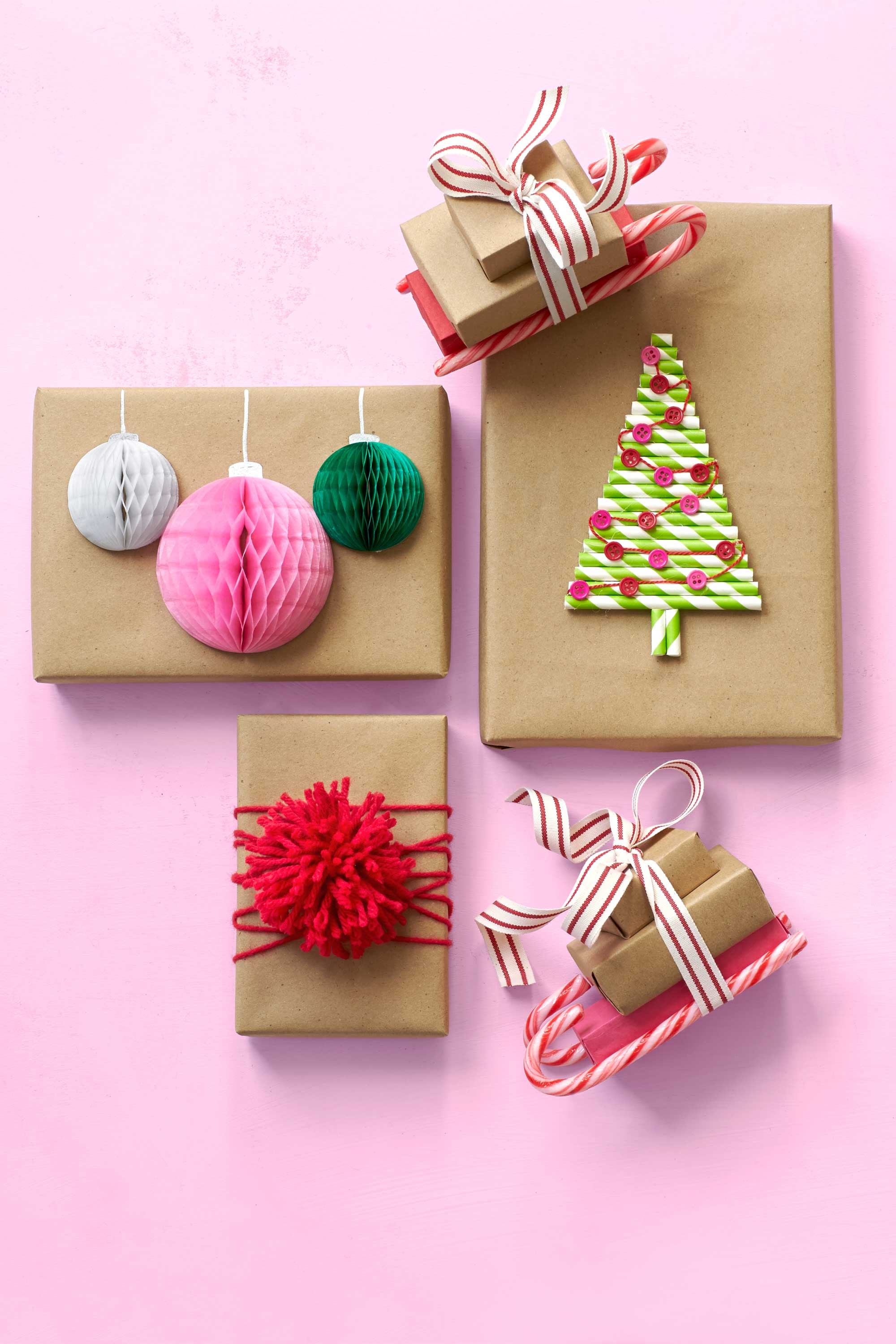
- Personalized Wrapping: Use puzzle‑themed paper or a custom box with the child’s name. Themed Play Area: Create a “Puzzle Corner” with a cozy chair, a small table, and a timer to add a competitive edge. Family Puzzle Night: Invite the whole family to solve a puzzle together—great for bonding and reinforcing teamwork.
Remember, the joy of a puzzle lies not only in the solution but in the shared moments of discovery. Encourage your child to explain their thought process; this reflection deepens understanding and builds communication skills.
The Perfect Gift Awaits
Choosing the best Christmas gifts for kids who love logic puzzles is less about the price tag and more about the spark it ignites. Whether you opt for a handcrafted wooden set, a high‑tech app, or a sophisticated mechanical box, the key is to match the puzzle’s complexity with the child’s developmental stage and interests. Let the puzzle be the compass, and watch as your child navigates the thrilling terrain of problem solving, one piece at a time.
If you’re ready to give a gift that will keep your child engaged, challenged, and delighted for years to come, explore the options above and pick the one that resonates most. After all, the best gift is the one that turns a simple challenge into a lifelong love of learning.